Finally, I’ve included “Why I Read: The Serious Pleasure of Books” by Wendy Lesser. Lesser is open-minded and openly delighted with the experience of reading and she had me when she wrote that she wished Hilary Mantel’s “Wolf Hall” was twice as long as it was.
— Kerri Miller, MPR News
Talking Volumes is back!
Hosted byaward-winning MPR News journalists Kerri Miller and Catharine Richert, each evening offers an in-depth conversation with an author about their latest books, their creative process and the stories shaping our lives.
Email sstroozas@mpr.org to have your literary event added to the list.
🤔 What's the newsroom reading?
“A Guardian and a Thief” is a tightly written and absolutely devastating book. I couldn’t read it at night, so I got up early to finish it the day author Megha Majumdar spoke in Hopkins for the Friends of the Hennepin County Library Pen Pals series.
Part thriller with unexpected humor, the book grapples with a question: Who are we in times of crisis?
Her novel centers on two parallel stories unfolding in a near-future Kolkata, India during a food shortage. There’s a middle-class woman, her father and 2-year-old daughter, who are trying to leave the country on newly obtained visas. And there’s a young man, seeking provision for his parents and little brother, who steals those visas.
Majumdar writes about the intense desire to protect our loved ones, and how that desire can come into conflict with our morality. The way she describes this love is sometimes breathtaking, and often painful.
There’s a line that will stay with me about Ma, the mother, feeding her young infant with formula. “She leaned over Mishti like a river-fed tree to its river, though who was river and who was tree?”
Majumdar said in her lecture that she wanted to explore the nature of hope, especially when hope does not look soft or gentle. Perhaps, she said, as readers might find at the ending of her book, sometimes that hope is nearly “unrecognizable.”
— Emily Haavik, correspondent at APM reports
📰 Bite-sized Minnesota book news
If you missed the opening weekend of Inkish, don't worry because they are open Saturday and Sunday 9 a.m. to 3 p.m. The new independent magazine shop in St. Paul emphasizes the days of analog and has hard to find print titles.
Minnesota Book Award finalist Anika Fajardo's paperback release of "The Many Mothers of Dolores Moore" will be available next week. The magical realism book takes place in Minneapolis and Colombia.
Are you a local author, bookstore or literary lover? Send your book news to sstroozas@mpr.org and we'll add it to the newsletter.
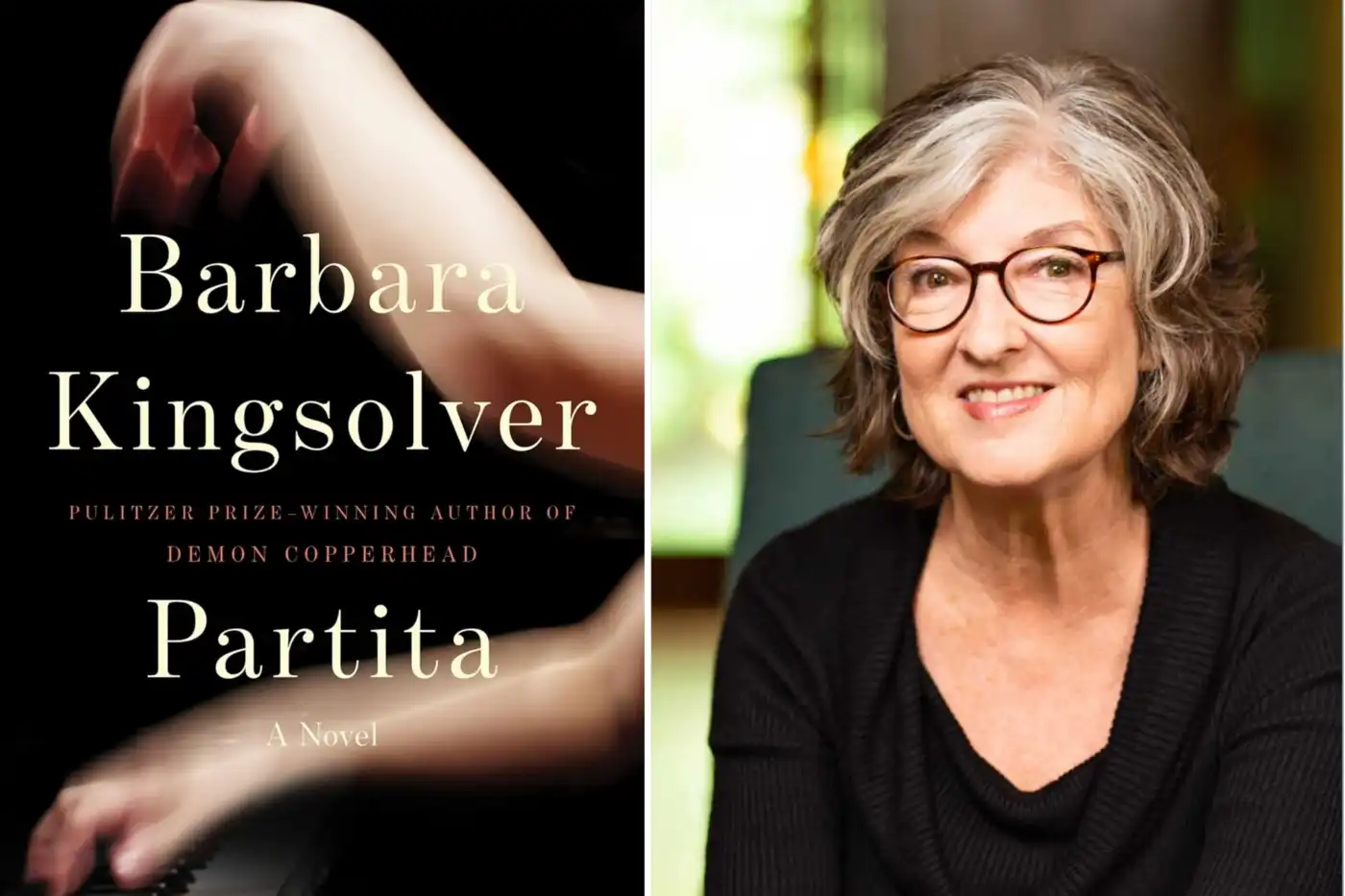
Barbara Kingsolver’s last novel, “Demon Copperhead,” won the Pulitzer. Her new book, “Partita,” follows a classical pianist whose life is forever changed by a passionate affair and now wrestles with the paths not taken.
A collection of paintings and stories by Sam Zimmerman captures memories of life in northern Minnesota. His new book, "Walking my Ancestors’ Path," pairs those paintings with stories in English and Ojibwe.
A book club conversation led the editors of a new anthology to collect writings by poets, dancers and other artists. It’s called “Nick of Time: Women Write About Art and Aging” and it came out Oct. 20.
The stigma still exists, but the popular romance novel endures and has evolved. Bemidji State University Professor Rucha Ambikar discusses the societal impact of popular romance novels.